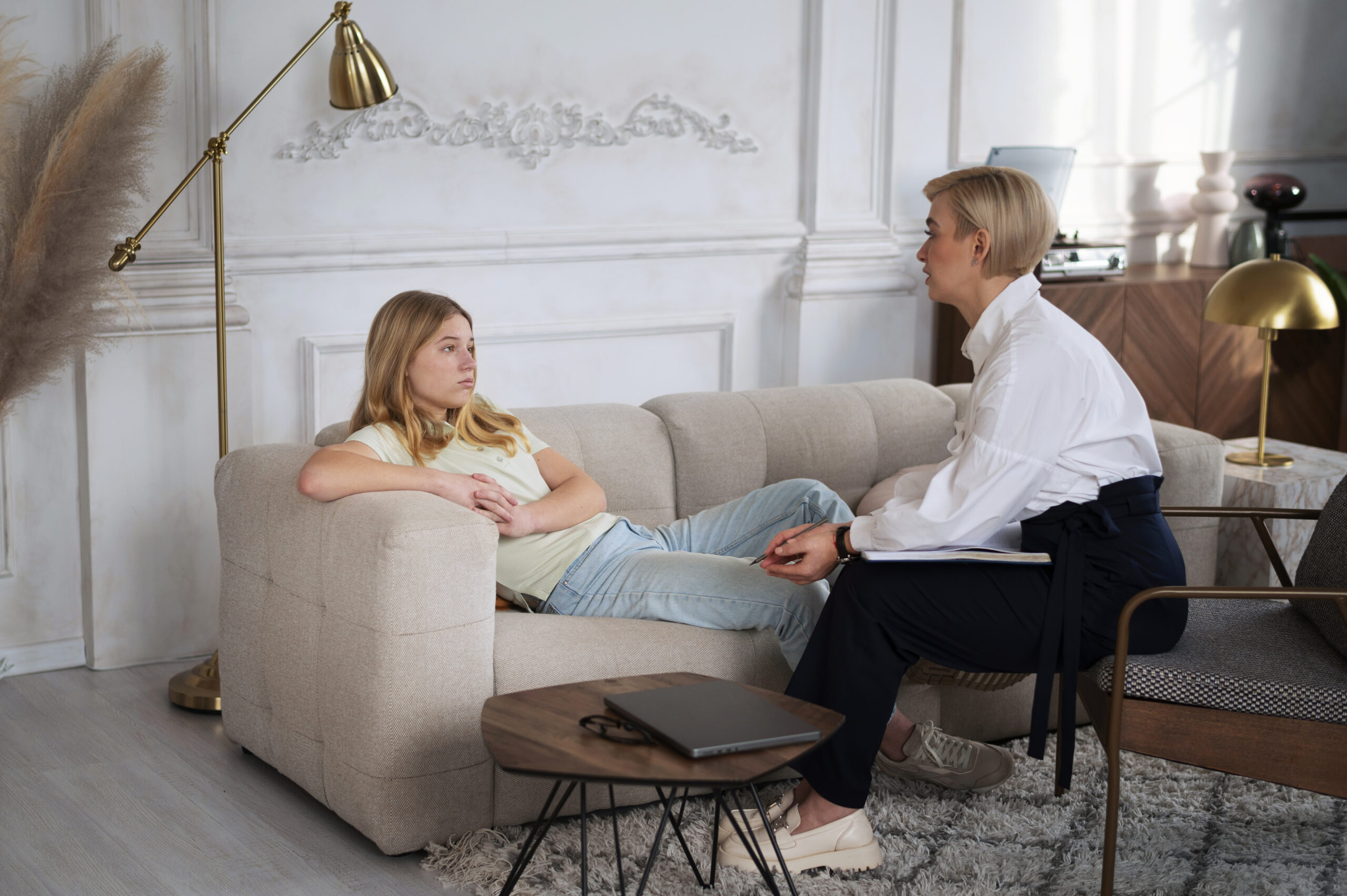
What is Behavioral Therapy and Why It Works
Behavioral therapy is a form of psychotherapy that focuses on identifying and changing harmful behaviors, thought patterns, and emotional responses. Unlike traditional therapy that may rely heavily on discussion and reflection, behavioral therapy emphasizes action and measurable change.
At its core, behavioral therapy operates on the principle that our behaviors are learned and, therefore, can be unlearned or modified. By practicing new habits and reinforcing positive behaviors, you can gradually replace destructive or negative patterns.
Key benefits of behavioral therapy at home include:
Flexible scheduling and comfort of a familiar environment
Reduced therapy costs compared to frequent in-person visits
Immediate application of techniques in real-life situations
Empowerment through self-guided change
Getting Started with Behavioral Therapy at Home
Starting behavioral therapy at home doesn’t require special tools or extensive training. However, it does require commitment, patience, and a structured approach.
Step 1: Identify Your Target Behaviors
Begin by noting which behaviors or thought patterns you want to change. This could be anything from reducing procrastination, managing anger, overcoming social anxiety, or improving sleep routines.
Tips for identifying target behaviors:
Keep a daily journal of habits and emotional responses
Note situations where negative behaviors occur most frequently
Set specific, measurable goals (e.g., “I will practice deep breathing for 5 minutes every morning”)
Step 2: Set Achievable Goals
Behavioral therapy works best when goals are realistic and measurable. Break down larger goals into smaller, achievable steps.
Example:
Instead of “I want to stop feeling anxious,” aim for “I will practice a 10-minute grounding exercise whenever I feel anxious.”
Core Behavioral Therapy Techniques You Can Use at Home
1. Cognitive Behavioral Techniques (CBT)
Cognitive Behavioral Therapy (CBT) is a cornerstone of behavioral therapy. It focuses on identifying negative thought patterns and replacing them with constructive thoughts and behaviors.
Easy CBT strategies at home:
Thought Records: Write down negative thoughts and evaluate their accuracy. Replace them with balanced, realistic alternatives.
Behavioral Experiments: Test assumptions by gradually facing feared situations in a controlled manner.
Positive Self-Talk: Replace self-criticism with encouraging statements.
2. Exposure Therapy
Exposure therapy is highly effective for phobias, anxiety, and obsessive behaviors. It involves gradually and repeatedly exposing yourself to the source of fear in a controlled, safe environment.
At home, exposure therapy can be done step-by-step:
Create a hierarchy of feared situations from least to most stressful
Start with the easiest scenario and gradually progress
Use relaxation techniques like deep breathing during exposure
3. Habit Reversal Training
This technique targets unwanted habits such as nail-biting, hair-pulling, or overeating. It combines awareness training, competing responses, and positive reinforcement.
At-home habit reversal:
Track your habit triggers and frequency
Replace the unwanted behavior with a healthier alternative
Reward yourself for successfully implementing the new behavior
4. Mindfulness and Relaxation Techniques
Mindfulness strengthens emotional regulation, reduces stress, and increases self-awareness. It is a versatile tool that complements behavioral therapy.
Practical mindfulness exercises for home:
Guided Meditation: Use apps or online videos for 10-15 minutes daily
Breathing Exercises: Practice slow, deep breathing to calm the nervous system
Body Scan: Focus on each body part to release tension and increase awareness
5. Reinforcement Strategies
Positive reinforcement strengthens desired behaviors by providing rewards. At home, reinforcement can be simple but effective.
How to implement:
Use a reward chart for daily goals
Celebrate small wins to maintain motivation
Pair enjoyable activities with productive tasks